

Bitters Are a Blessing
Adding bitter plants back into our diets is key to healthy digestion


Our digestive systems can make or break our daily lives. What we eat, or don’t eat, can have immediate and long-term impacts on how we feel, especially as we age. One of my favorite meals is restaurant-made pizza; I’ve eaten it most Friday nights since childhood. My go-to pizza pie is a thick, chewy crust topped with Italian sausage, onions, and pineapple, then finished with a thick layer of gooey, oily cheese. Then, about 10 years ago, I began to feel the effects of what I called a pizza hangover: immediate bloating and heartburn, and the next day, thirst and constipation. I’ve learned to make a healthier version of pizza: whole-grain thin crust, pesto or tomato sauce or fresh tomatoes from the garden, topped with vegetables & herbs, and a SPRINKLE of cheese…it’s delicious, but it’s not quite the same.
Is Digestive Distress the Norm?
In a 2022 survey by the American Gastroenterological Association, 40% of adults reported digestive complaints that have affected their daily activities, such as exercising and socializing. The modern lifestyle of ultra-processed foods, fast food drive-through fare, eating on the run, and overeating as a result of stress, high-speed eating, or addiction to fat and sugar has developed a corresponding number of digestive complaints: bloating, heartburn, indigestion, gas, stomach cramps, constipation, and diarrhea. Stress and anxiety can amplify many of the symptoms.
Without lifestyle changes, our digestive system can eventually become chronically irritated and inflamed, leading to conditions such as gastritis, leaky gut, ulcers, gastroesophageal reflux disease (GERD), Small Intestinal Bacterial Overgrowth (SIBO), and inflammatory bowel disorders. Some of these conditions can contribute to malabsorption, leading to nutrient deficiencies.
In our culture of shame and embarrassment, we seldom talk about our digestive complaints. When was the last time anyone asked you what the shape of your poop looked like? (Check out the Bristol Stool Chart)1 Or how many times did you defecate each week? In our for-profit medical industry, I have never had a doctor or nurse ask about my digestive system during my 30-minute annual exams; they simply don’t have time to truly engage in discussions or education about a healthy body. Surveys indicate that many of us have accepted digestive distress as normal and often avoid discussing it until it worsens.
I firmly believe that we need to be in charge of our wellness through regular observation, keeping notes, researching, and learning the best ways to stay healthy. When I began studying herbalism, I learned what many of our ancestors knew: we can heal common health complaints by first examining our lifestyle and then using nature’s plant gifts to improve our health and resilience.
Bitter Deficiency Syndrome
In his well-known essay, “Blessed Bitters,” herbalist jim mcdonald (he does not capitalize his name) discusses:
“I am a firm believer in “Bitter Deficiency Syndrome,” a notion that posits that much of the health woes faced by modern folk have at their root a lack of bitter flavor in the diet, and that many of the digestive problems for which we see bitters as a remedy are actually symptoms of a deficiency of this flavor. Perhaps it is not right to think that bitters should be used to treat sluggish digestion, but that a lack of bitter flavor in one’s diet can be a cause of sluggish digestion. Perhaps many of the conditions calling for bitters as a remedy arise from their omission, not unlike rickets arises from a lack of vitamin D.”2
What seems to us as bitter trials are often blessings in disguise. ~ Oscar Wilde, 1895
Bitter Taste, Bitter Actions, Bitter Benefits
The bitter taste has a corresponding action on our entire digestive system. It triggers an immediate response by stimulating our digestive juices (saliva, enzymes, acids, bile, pancreatic hormones), which help break down our food, ensure nutrient absorption, regulate bowel function, aid motility (digestive muscular movement), and relieve heartburn and indigestion. When digestive juices are slowed or reduced, our digestive system becomes sluggish.
The European tradition of eating bitter greens or drinking an aperitif before a meal is rooted in this ancient knowledge. European folklore and some herbalists have ascribed additional benefits to bitter plants: reducing inflammation, building resilience against infection, calming the nervous system, strengthening our gut/instinctual knowing, and releasing stuck energy such as anger & frustration.
The bitter action also helps regulate blood sugar, assist in liver detoxification, tone gut tissues, increase appetite, and curb sugar and fat cravings. Herbalists often use bitter remedies to help women with the metabolism of reproductive hormones. The regular use of bitter plants to help regulate various systems of our bodies has a long history, and their absence from our modern menus has contributed to the “Bitter Deficiency Syndrome.” Bringing bitters back into our lives could be the first action to help with our increasing diagnoses of insulin resistance, diabetes, and obesity.
In Guido Mase’s book The Wild Medicine Solution, he describes the chemicals that plants developed as a defense:
The only common thread in the bitter flavor realm is that it is present in virtually all plants. While some are more bitter than others, on balance, both an apple and a carrot have more bitter flavor in them than a piece of beef (try the peel if you doubt me on this). We find the bitter flavor so often because it is linked to a wide range of chemicals that are very common in the plant world: chicoric, chlorogenic, cinnamic, and rosmarinic acids; flavonoids and other polyphenolics; coumarins and furanocoumarins; iridoids; lactones; cyanogenic glycosides; other saponins; and more. All of these were once toxic to insects and animals. Some still are.
So the bitter flavor seems to be the signal from the plant world to watch out—eat less—and activate your detoxification mechanisms. (As it turns out, when you feed animals extracts containing high percentages of these bitter compounds, such as rosmarinic acid, you end up with enhanced liver detoxification.) Animals that tied their perception of bitter to enhanced liver metabolism fared better than their competition. (p. 125)
Many bitter plants contain alkaloids, which offer an extreme level of bitterness. Consider your first taste of coffee, a bite of an orange’s pith, or an exceptionally bitter craft beer. In fact, the craft beer industry developed the International Bitterness Units (IBU) scale, which is based on a chemical analysis of specific acids that influence a beer’s bitterness, not necessarily the perceived level of bitterness. Each person’s bitter taste receptors on their tongue and throughout the digestive system inform their tolerance of the bitter taste. Some plants with an extremely bitter taste are also poisonous, warning consumers to stop tasting immediately. Our bodies developed the ability to perceive differing levels of bitterness so that we could protect ourselves from toxic plants.
Are You a Supertaster?
I didn’t grow up eating many green or cruciferous vegetables. My mom was a picky eater, cooking only what she enjoyed eating, so I have no childhood memories of eating bitter foods like dark leafy greens, Brussels sprouts, or cabbage. (Except canned spinach, which had a slimy texture that initiated my gag reflex.) I have learned to eat some bitter foods, but only when covered in sauces or cheese. I think I might be a supertaster - someone who has an intense reaction to the bitter taste.3
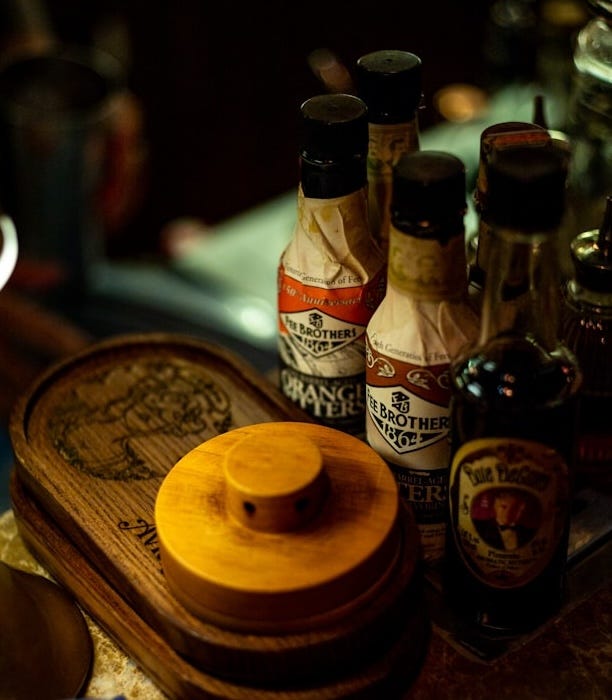
Because of my less-than-enthusiastic intake of bitter foods, I have discovered the craft of making bitters, an herbal extract of bitter and aromatic herbs, and other plants. You are likely familiar with the commercially produced Angostura bitters used in cocktails like Manhattans and Old Fashioneds. Angostura Bitters was first developed for use as a restorative tonic in 1824. My first taste of Angostura was sucking on a lime wedge soaked in bitters to cure a case of hiccups (I don’t remember if it worked, but I certainly remember what it tasted like). Interest in cocktail bitters has been revitalized, with many commercially made herbal bitters on the market. But making bitters for digestive or cocktail use is one of the easiest herbal products to make.
A Basic Formula for Digestive Bitters (adapted from Maria Noel Groves)
In a jar, place the following ingredients:
1-3 parts strong bitter herbs (artichoke leaf, dandelion root, cocoa nibs, etc.)
1 part carminative or soothing herbs (Holy basil, peppermint, fennel seed, cardamom, etc.)
*Fruits like rhubarb, cherries, oranges, and berries can be added for flavor.
A small amount of sweetener (honey, maple syrup, simple syrup), if desired
Vodka, brandy, or apple cider vinegar to cover
Cover, let steep for at least 2 weeks, shake daily, strain, and store in a glass container. Keep it in the kitchen or even on your dining table to ensure regular use.
Dosage/Use: As an aperitif, add a teaspoon to a small glass of bubbly water and drink 15-20 minutes before eating. If stored in a bottle with a dropper cap, squirt 1-2 dropperfuls directly into your mouth. I use bitters before or after each meal.
An internet search for digestive herbal bitters recipes can provide more details on herb choices. I have attached a PDF of Cranberry Anise Bitters I recently made. And below are several books I recommend.

Resources
Herbal Gut Health: Natural Therapies to Promote Healthy Digestion, Boost Your Microbiome, and Support Gut Repair by Maria Noel Groves
An excellent, in-depth book focused on using herbs and lifestyle changes to improve our digestive function and heal our digestive problems. Each chapter includes several recipes for teas, bitters, oxymels, and tinctures.
Bitters: A Spirited History of a Classic Cure-All by Brad Thomas Parsons
This book focuses on bitters recipes and cocktails, but the formula is the same and can be used for digestion.
Bitter: A Taste of the World’s Most Dangerous Flavor by Jennifer McLagan
Written by a chef, the book explores the bitter taste, our taste buds, and an array of foods, with recipes to help jump-start eating more bitter foods.
DIY Bitters: Reviving the Forgotten Flavor, A Guide to Making Your Own Bitters by Guido Mase and Jovial King
While there are a variety of bitters recipes in this book, many offering multiple herbal actions, all of the bitters recipes use pre-made herb tinctures to blend bitters formulas, something that only herbalists are likely to have available in their homes.
If you would rather buy commercially-made digestive bitters, check out Urban Moonshine and Mountain Rose Herbs.
https://my.clevelandclinic.org/health/articles/bristol-stool-chart
https://www.herbcraft.org/writings/bitters
https://health.clevelandclinic.org/what-it-means-to-be-a-supertaster
Share this article with friends who might enjoy it and restack it on Substack.
I guess I'm lucky to love the bitter taste. When I drank, the stronger the IPA, the better! I eat an apple a day and I love beets and arugula, which I'm about to plant in the backyard.
Now this is very interesting! Of coure, living in New Haven, CT I have a love for all things thin, brick oven, pizza a bit on the burnt side. I wonder if there wouldn't be a health drink served up for digestion and mood.
Something like chilled fennel tea, ginger, bitters, lemon, honey, seltzer or sparkling water.